The Bronze Age: How our heritage bronze conversion case holds up over time
Bronze as a Living Material
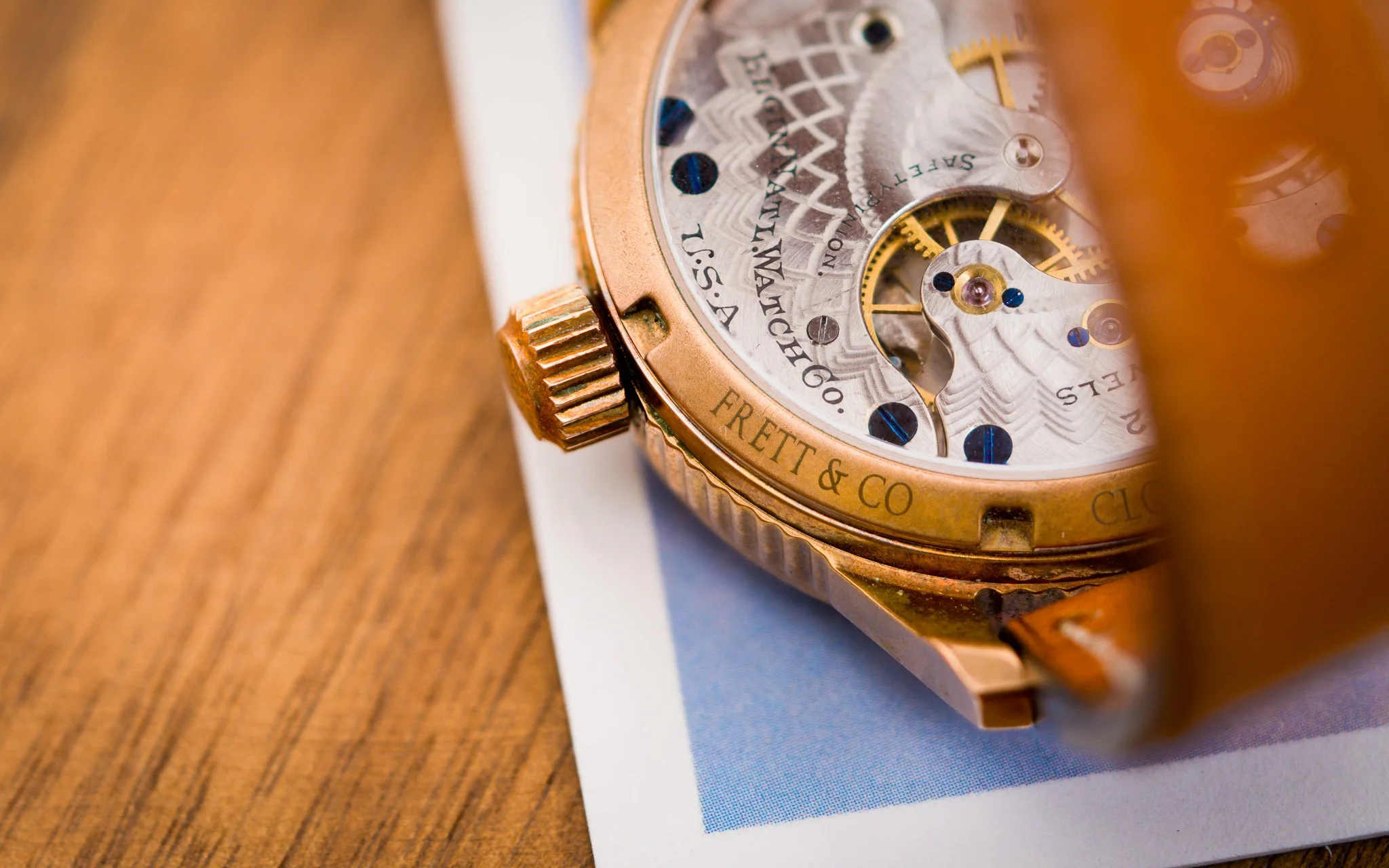
Heritage Bronze with 6 months of age (different strap)
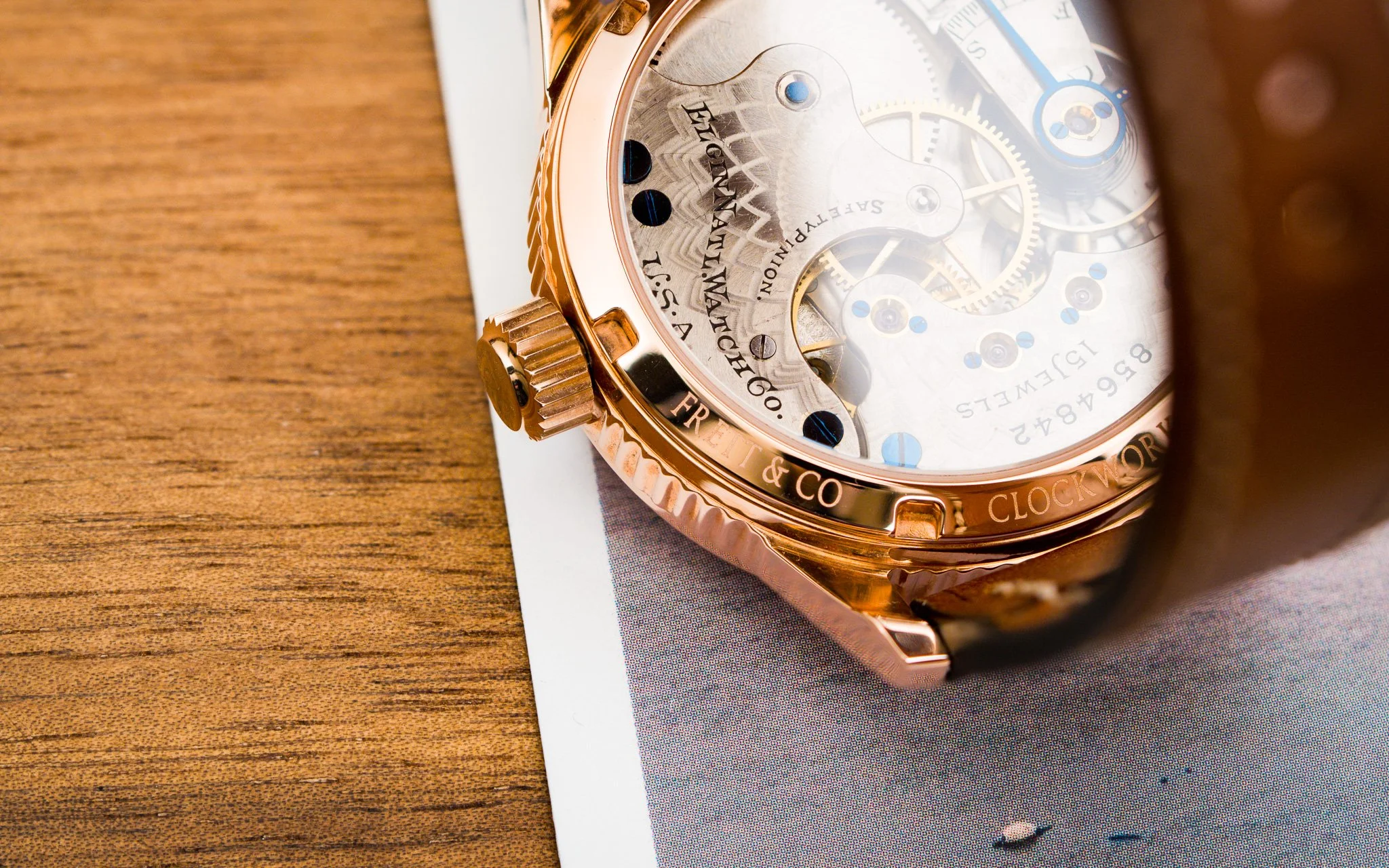
Heritage Bronze fresh polish (different strap)
Bronze is one of the oldest engineered materials in human history. Long before stainless steel existed, bronze was used in tools, navigation instruments, architecture, and machinery because of its durability and resistance to destructive corrosion.
Unlike steel, which can develop aggressive rust and deep pitting over time, bronze forms a stable surface oxidation layer known as a patina. While this patina is technically a form of corrosion, it acts as a protective barrier that slows further degradation of the metal underneath.
That evolving surface is exactly why we chose bronze for our Heritage Bronze conversion case.
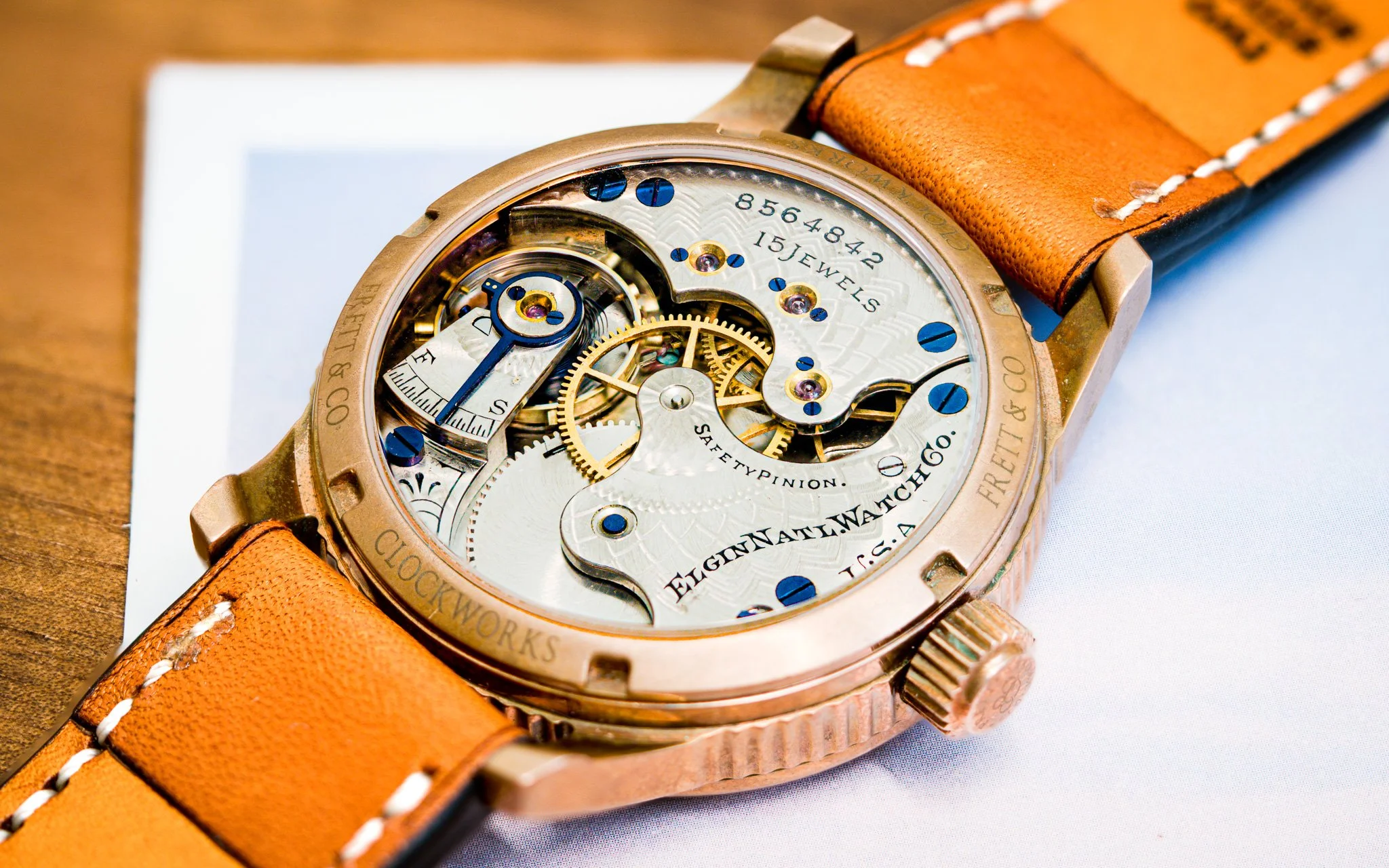
Heritage Bronze with 6 months of age (different strap)
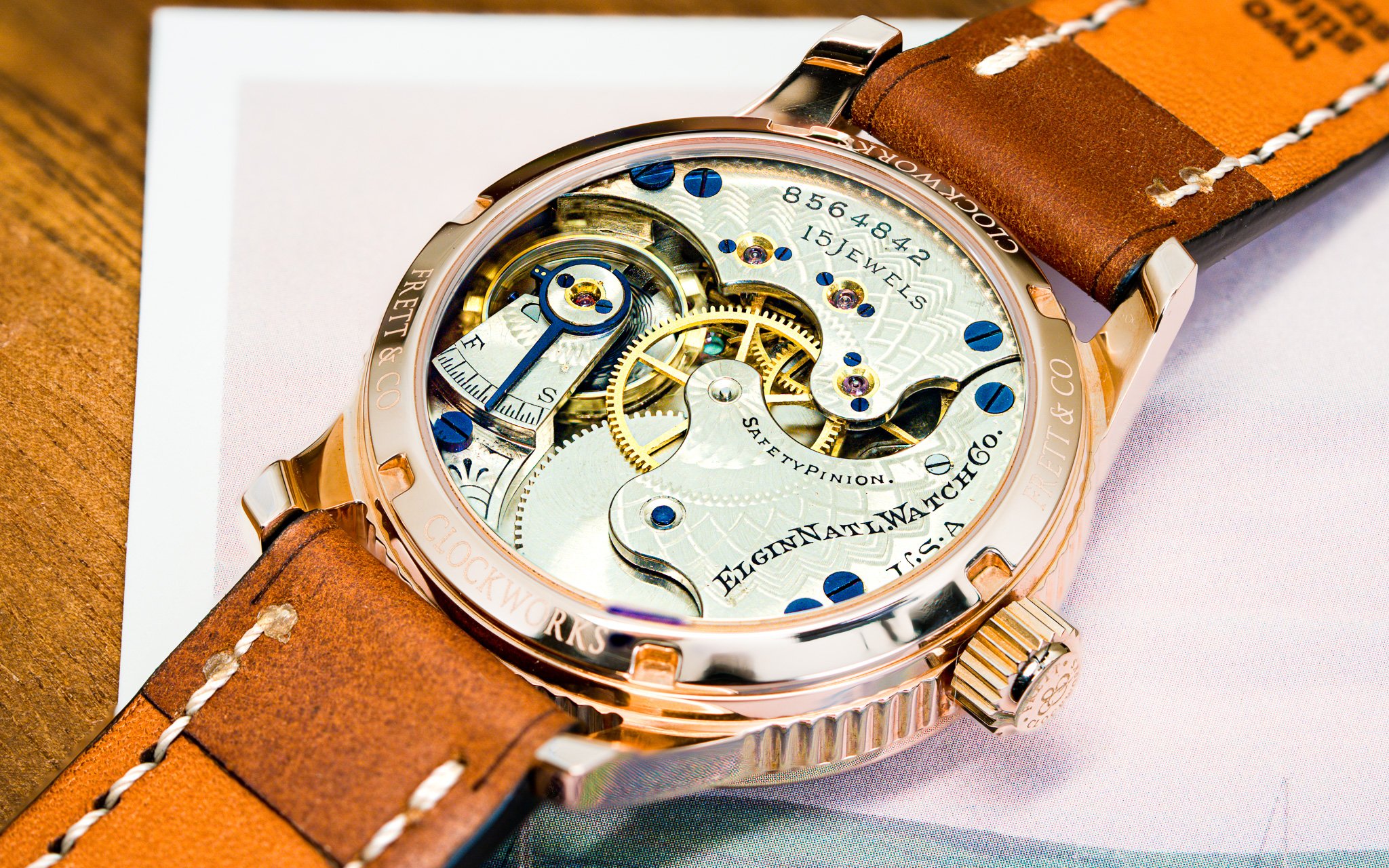
Heritage Bronze fresh polish (different strap)
The Appearance of Fresh Bronze
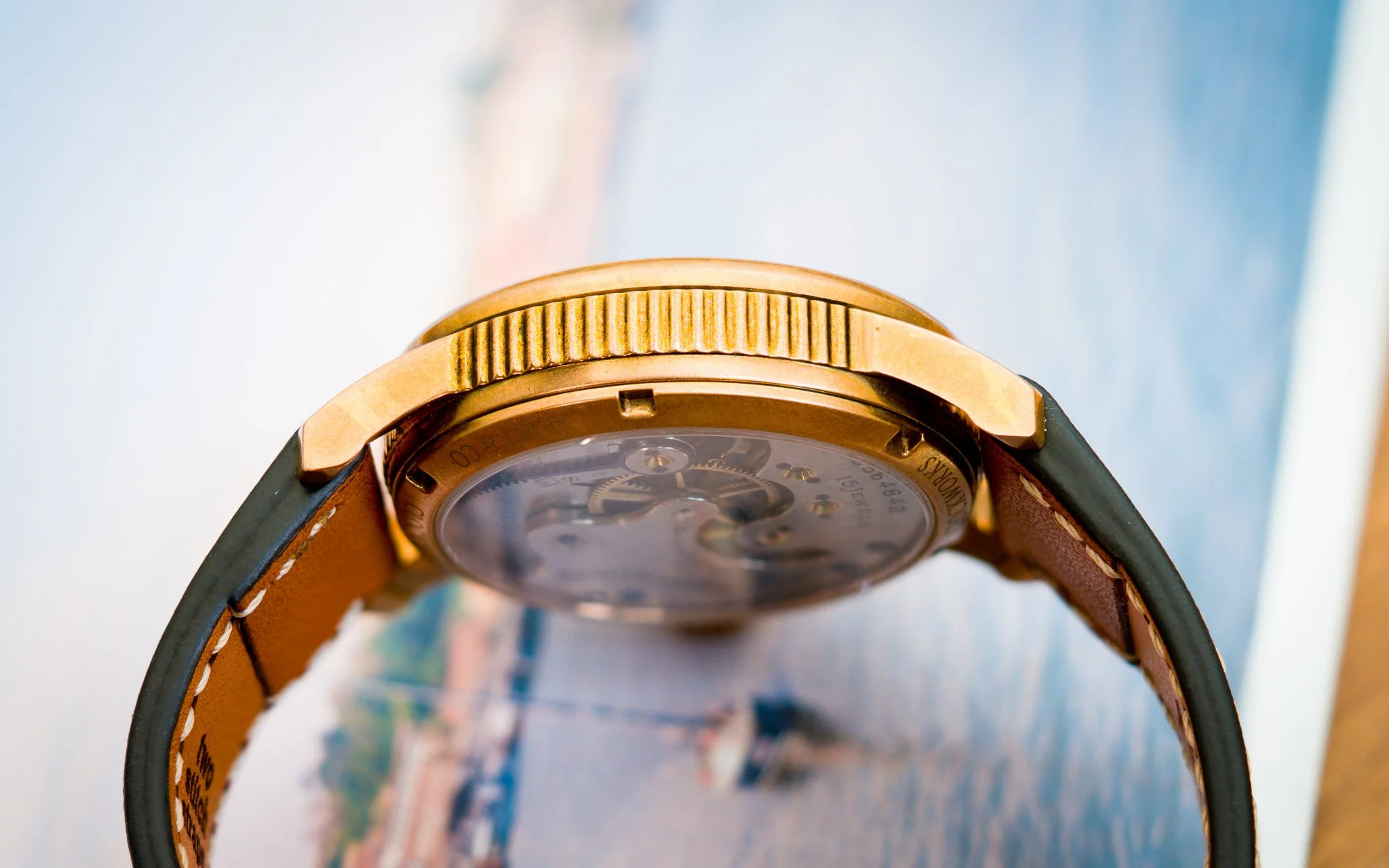
Heritage Bronze with 6 months of age (different strap)
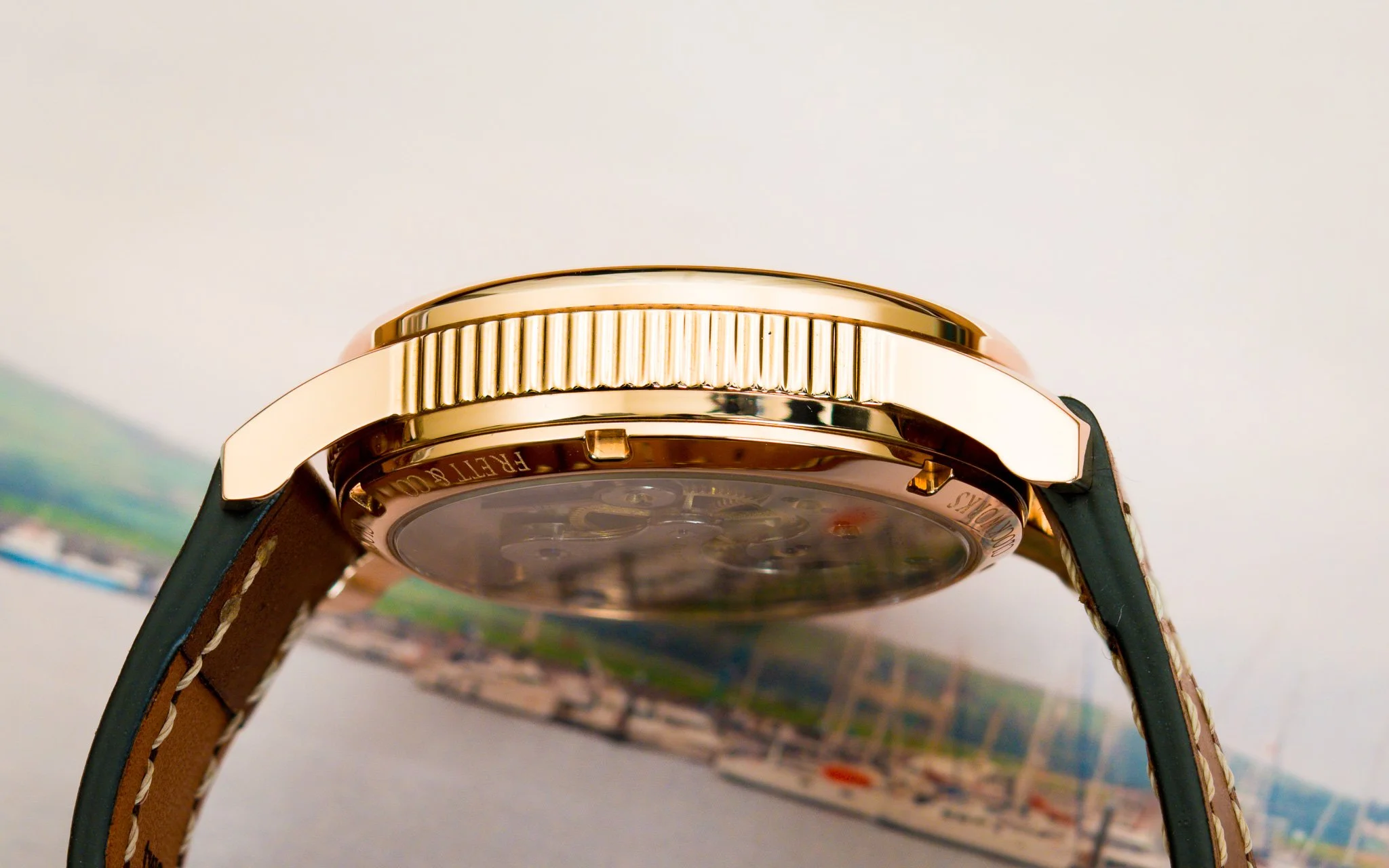
Heritage Bronze fresh polish (different strap)
When new, the case begins with a warm golden tone. The surface is bright, reflective, and almost copper-like in direct light. Fresh machining lines and polished surfaces catch light aggressively, giving the watch a sharp and refined appearance.
At this stage, the bronze feels clean, warm, and modern while still carrying the character of a traditional material.
How Bronze Ages
Over time, the metal begins to react naturally with oxygen, moisture, oils from the skin, and the surrounding environment. The case slowly develops deeper browns, muted golds, and darker matte areas around the crown, bezel edges, and lug transitions. The polished shine becomes softer and more organic.
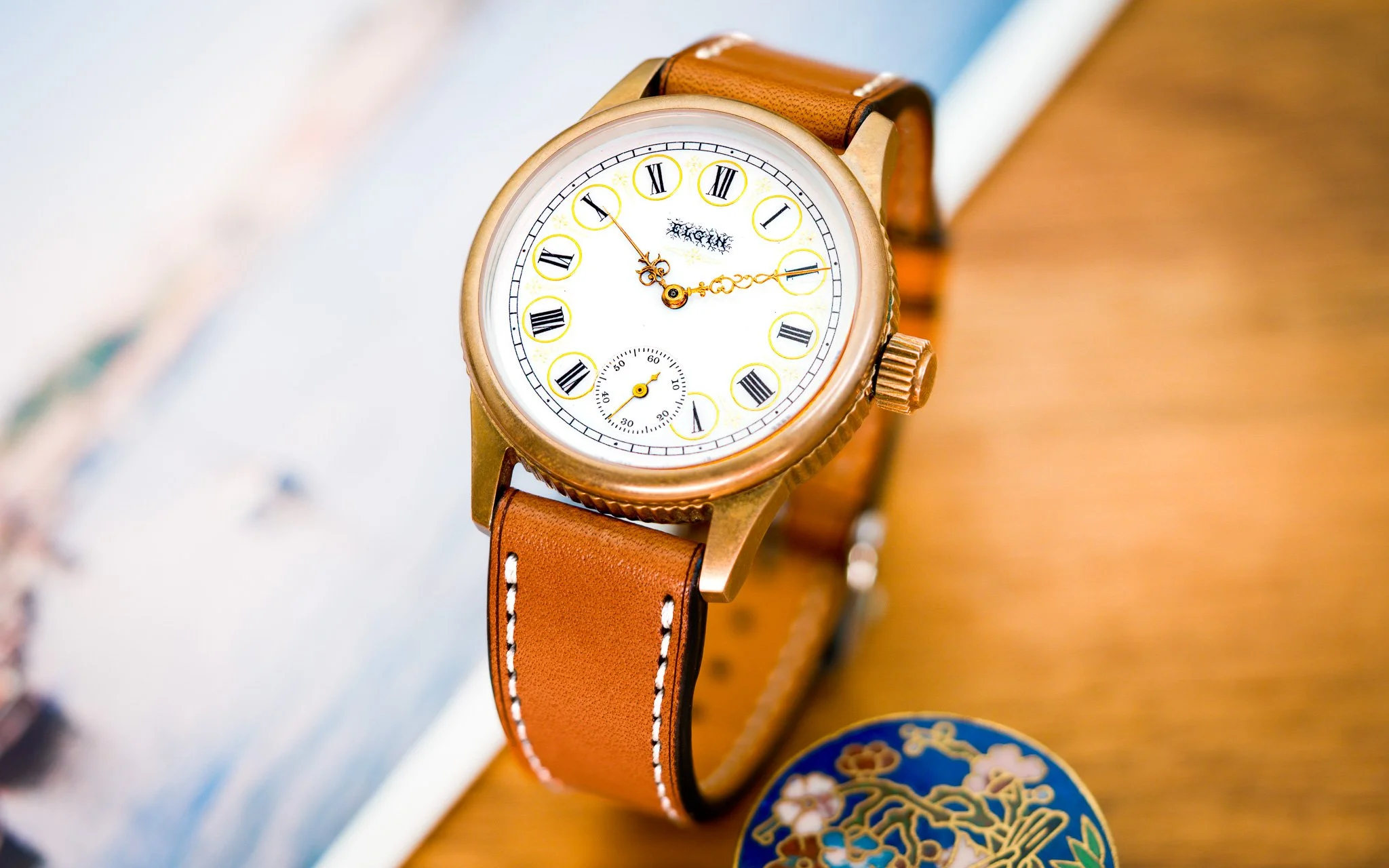
Heritage Bronze with 6 months of age (different strap)
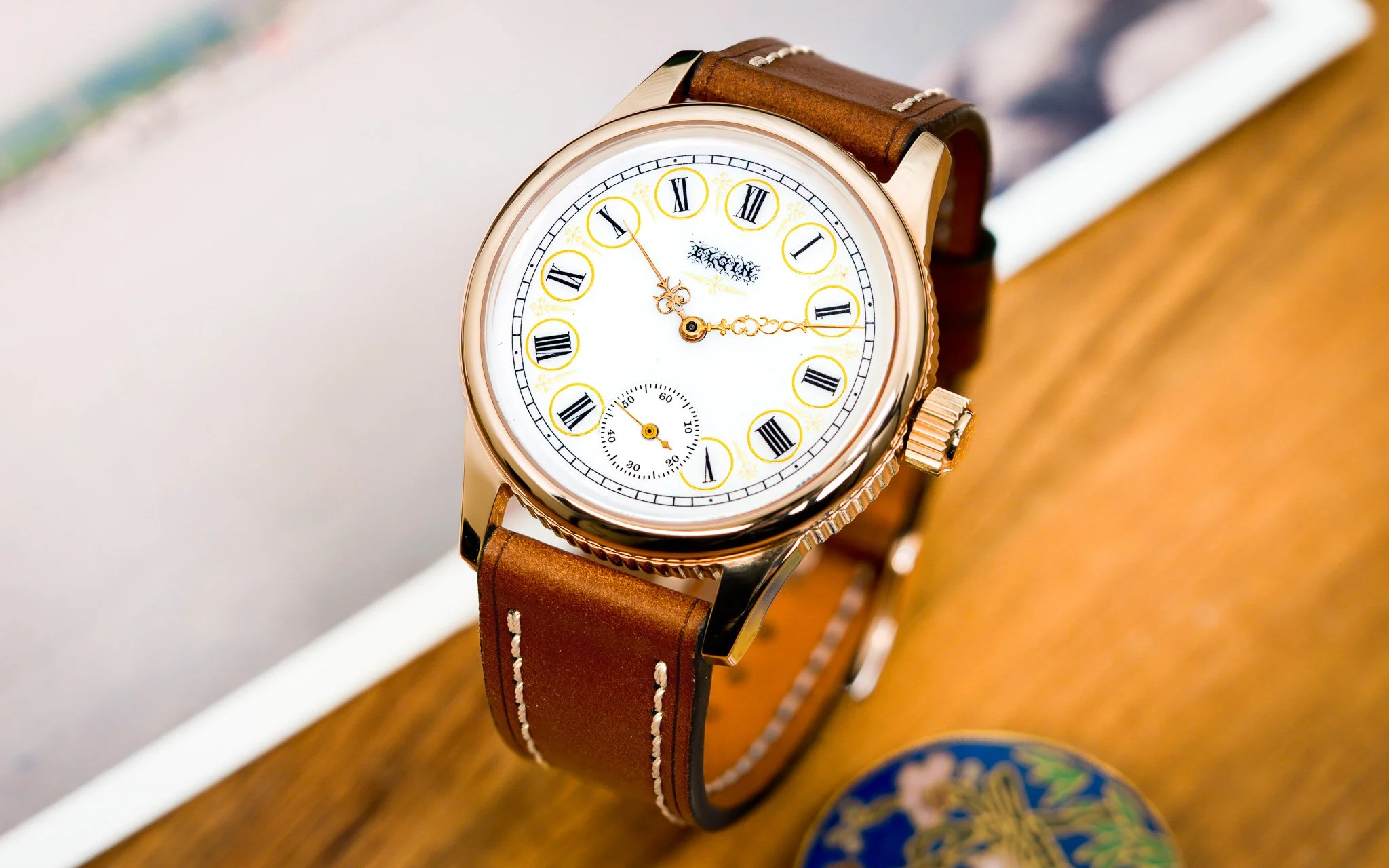
Heritage Bronze fresh polish (different strap)
The transformation is gradual. Weeks turn into months, and the bronze develops an appearance that feels increasingly historic and lived in. No two cases age exactly the same because no two environments or wearing habits are identical.
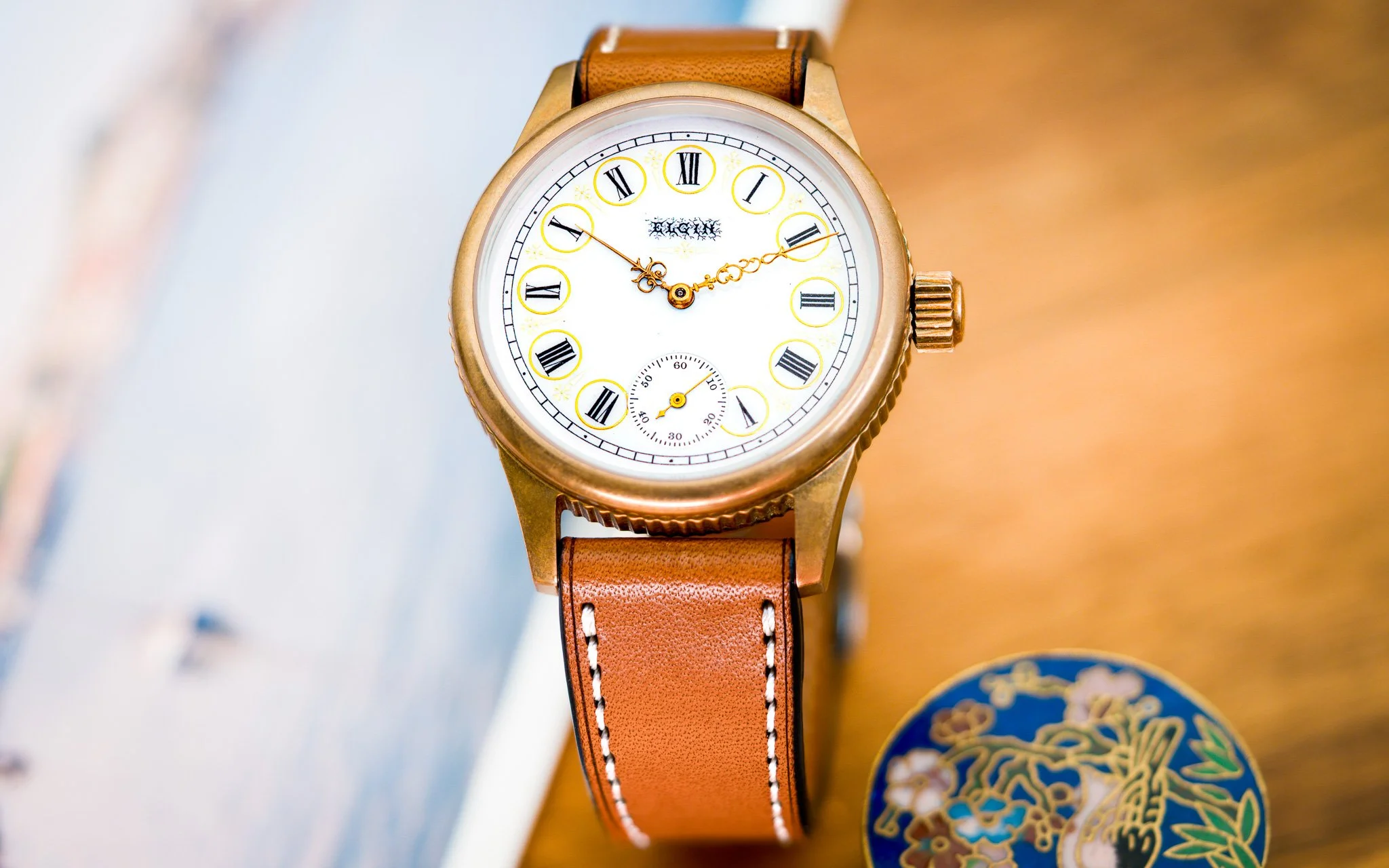
Heritage Bronze with 6 months of age (different strap)
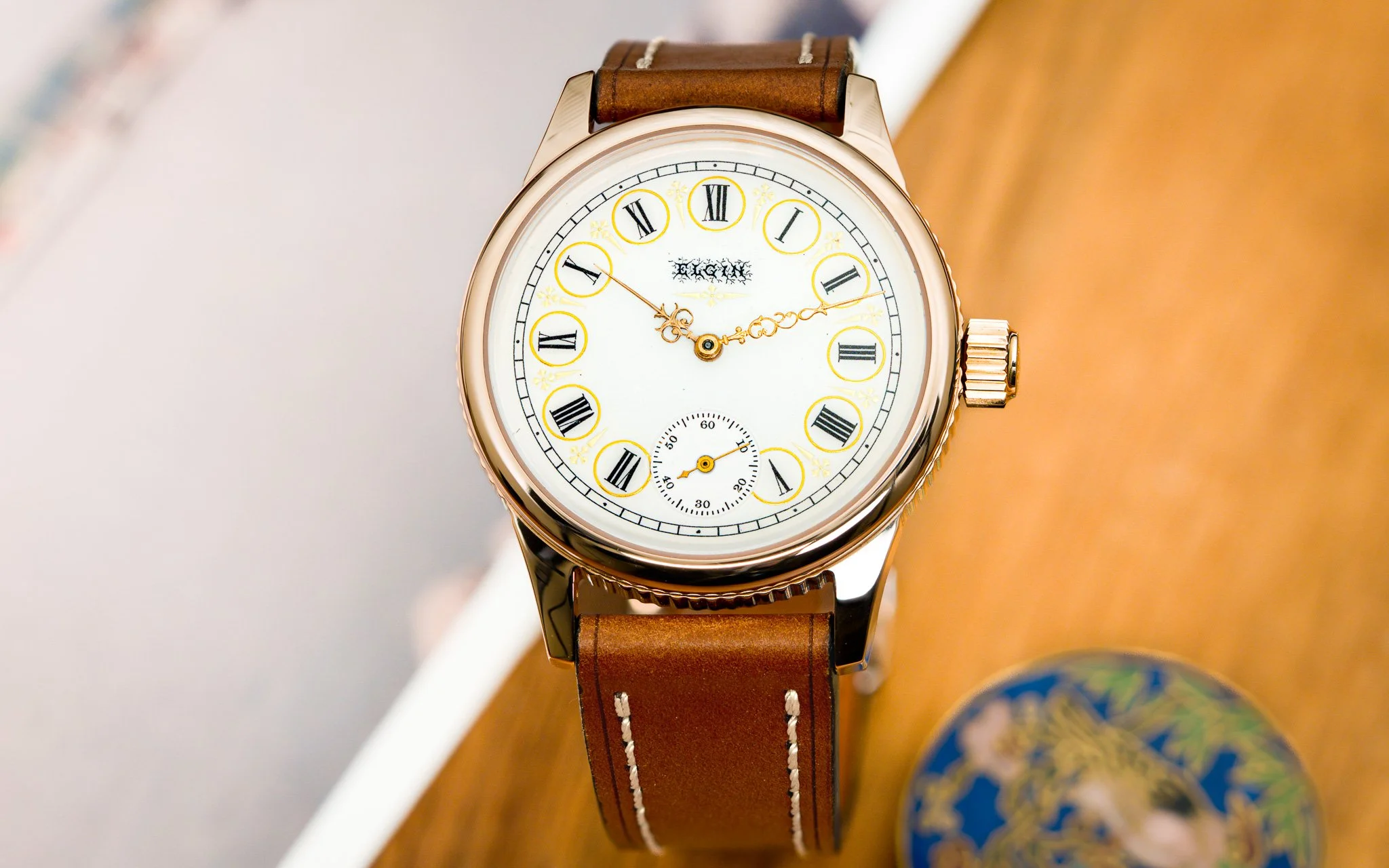
Heritage Bronze fresh polish (different strap)
Some owners wear their bronze daily and accelerate the aging process through sweat, humidity, and outdoor exposure. Others keep the watch primarily indoors, allowing the bronze to age more slowly and evenly. The result is that every Heritage Bronze case eventually develops its own character.
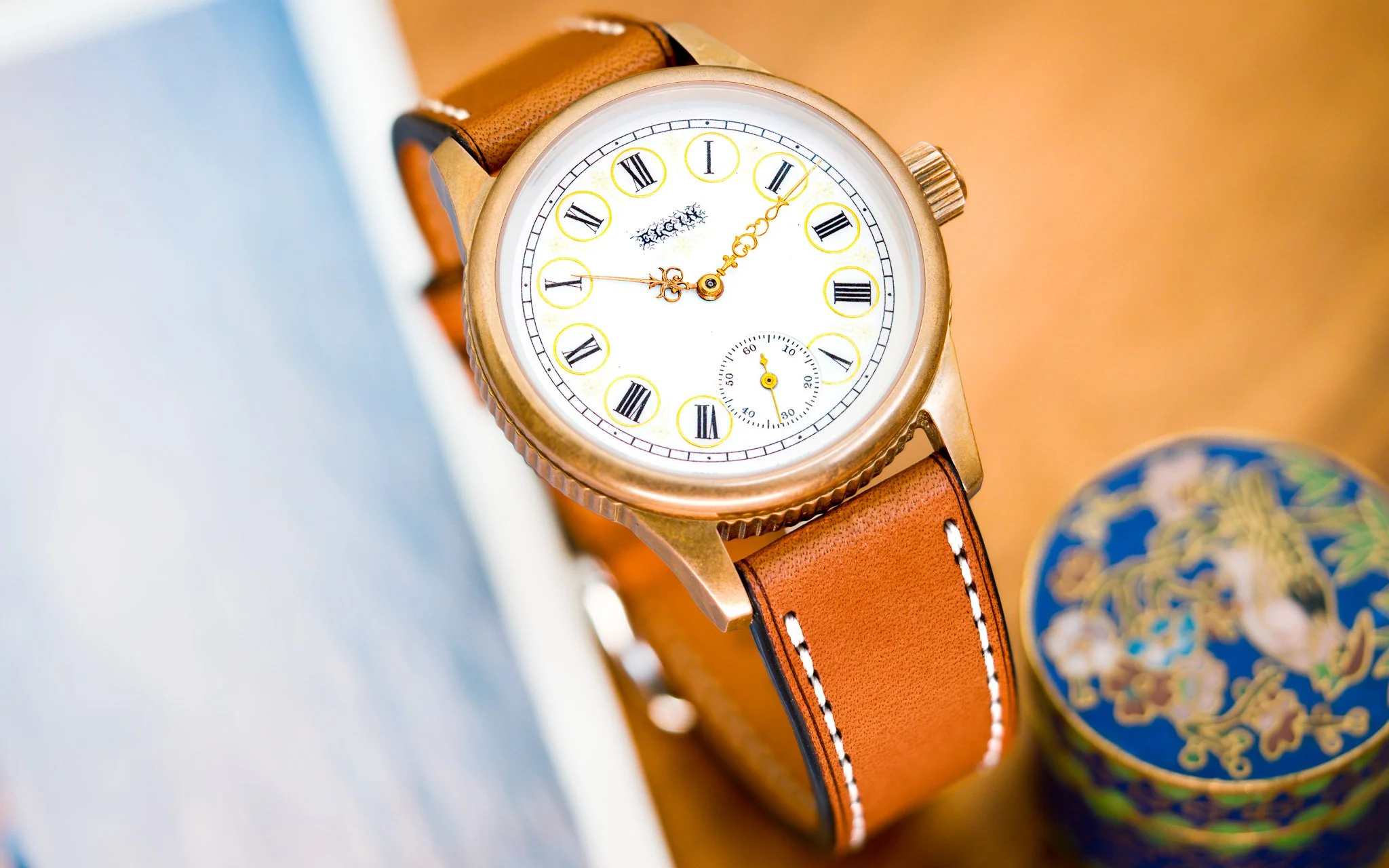
Heritage Bronze with 6 months of age (different strap)
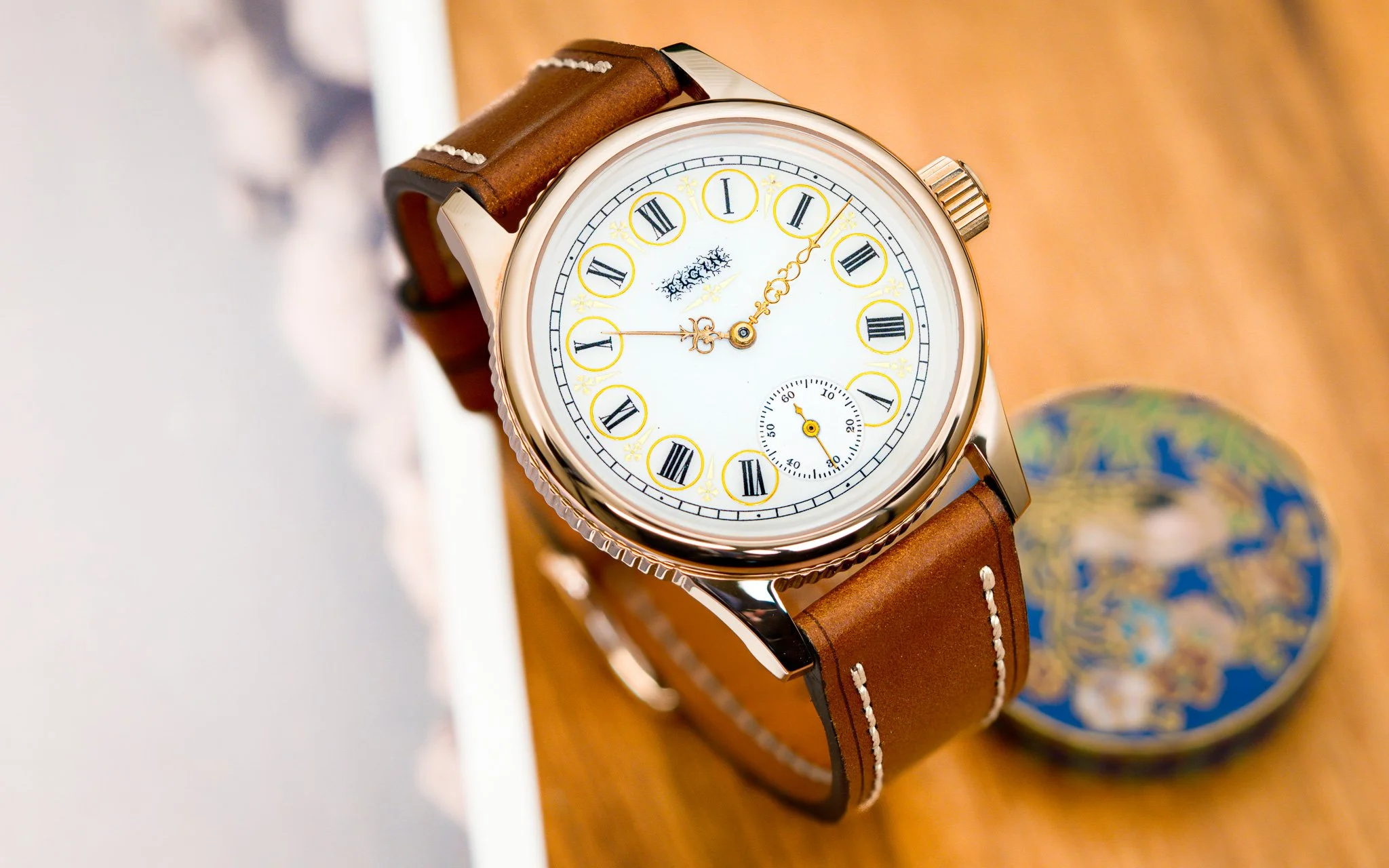
Heritage Bronze fresh polish (different strap)
Light Changes Everything
One of the most interesting aspects of bronze is how dramatically lighting changes its appearance. In direct sunlight, aged bronze can still glow with warm amber tones. Indoors, the same case may appear darker and almost antique in character.
The contrast between the evolving bronze case and the bright porcelain-enamel dials used in many American pocket watch conversions creates a look that feels both industrial and historically grounded.
The Alloy Itself
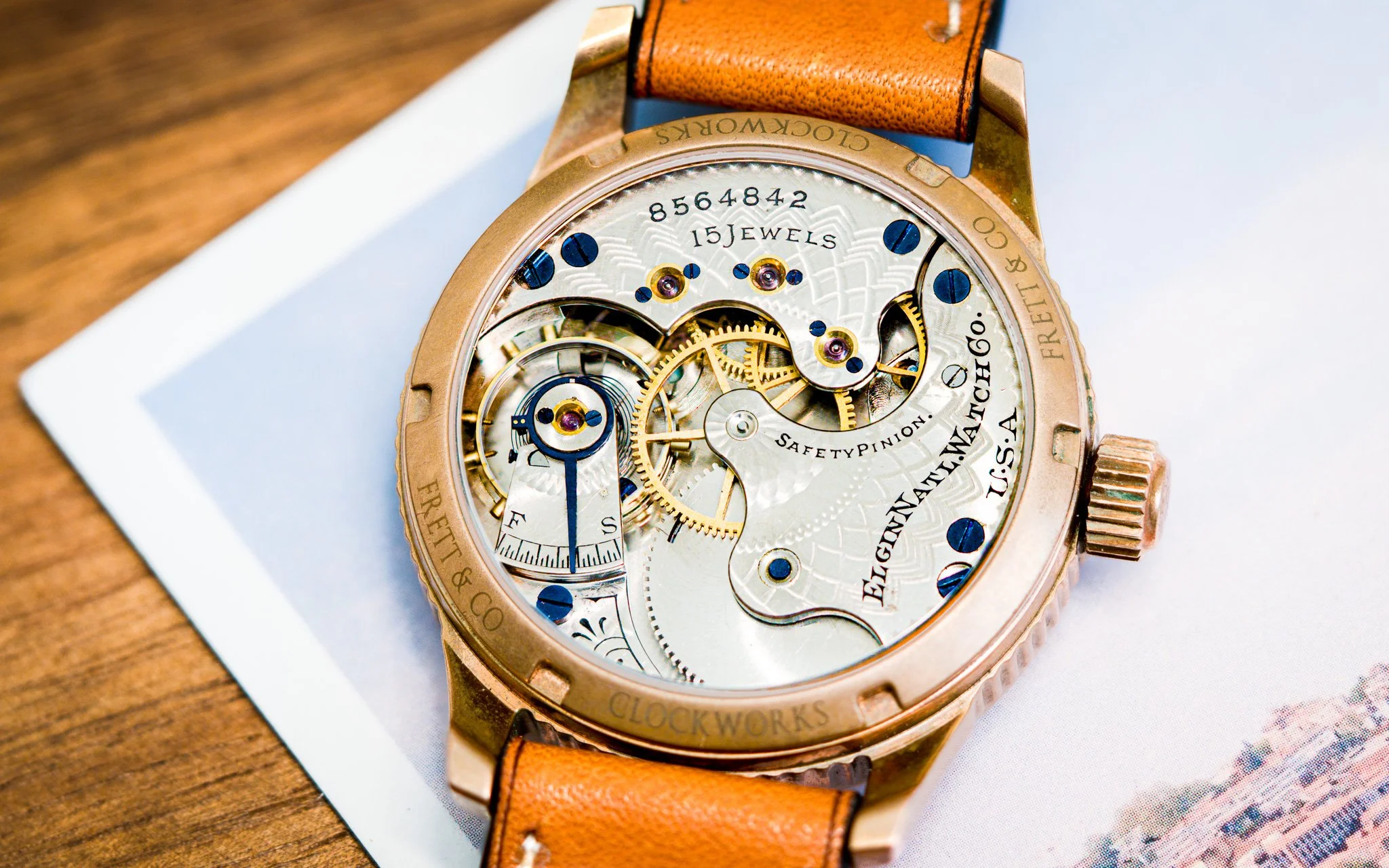
Heritage Bronze with 6 months of age (different strap)
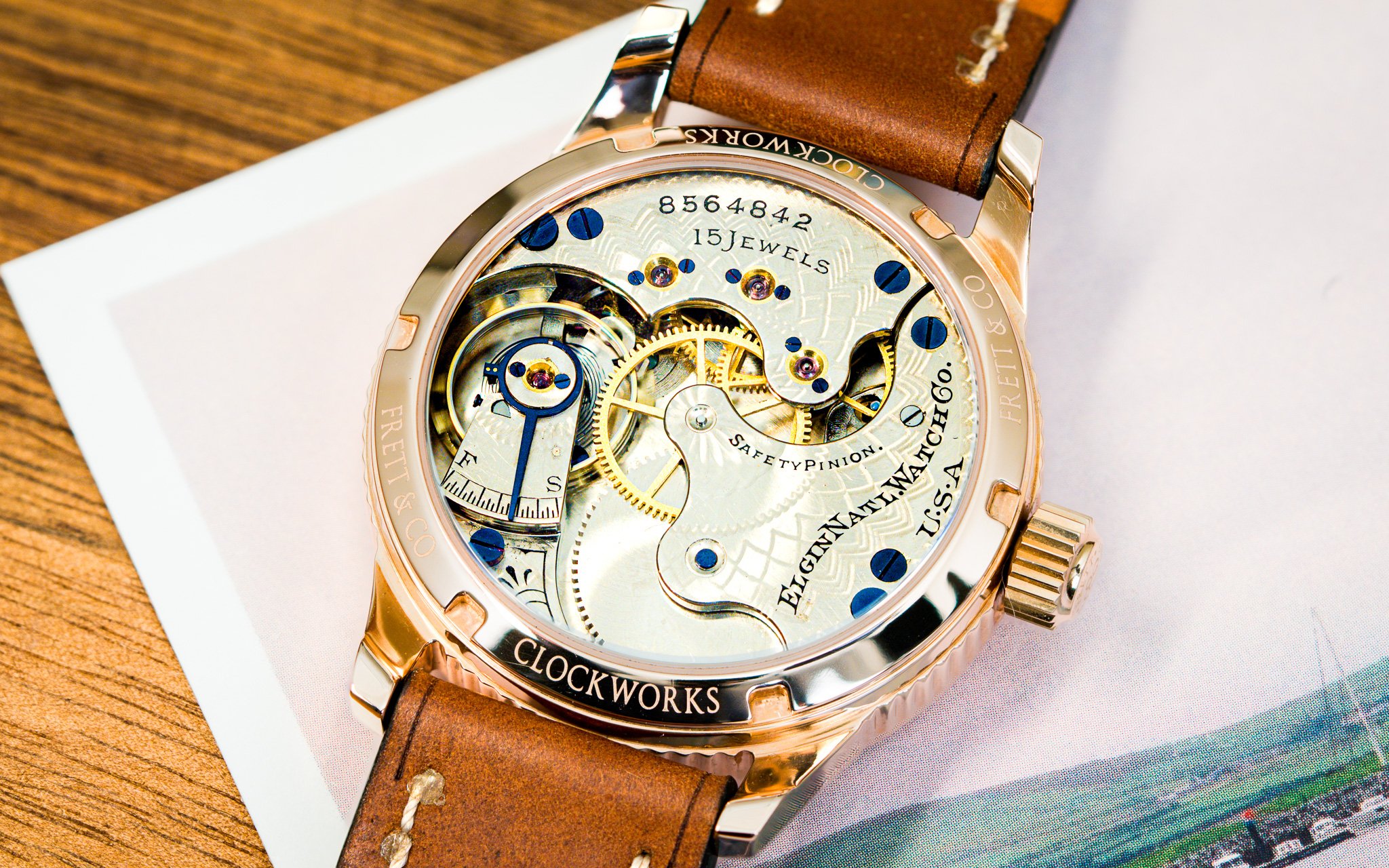
Heritage Bronze fresh polish (different strap)
Our Heritage Bronze alloy is composed of approximately 93% copper. Unlike plated finishes or artificial coatings, the patina is not applied — it forms naturally through time and wear. The aging process is part of the material itself.
Because the surface evolves naturally, each case develops subtle differences in tone, texture, and coloration over time.
Restoring the Original Finish
Importantly, the patina is not permanent. Bronze can always be restored to a brighter finish if desired. Aged surfaces can be cleaned and polished in just a few minutes, returning much of the original warmth and shine.
Some owners prefer heavily aged bronze, while others periodically restore the brighter appearance. Both are part of the experience of owning the material.
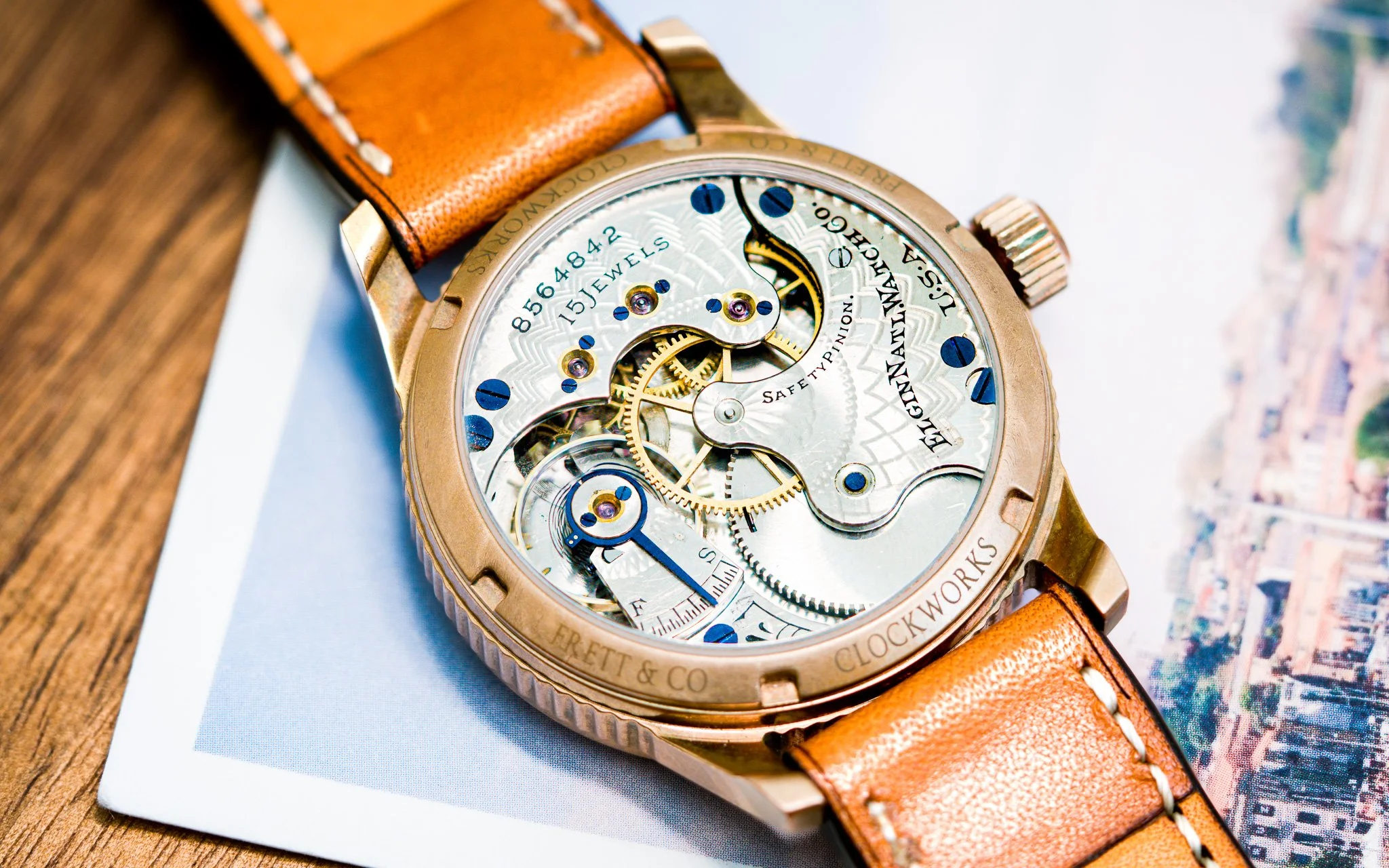
Heritage Bronze with 6 months of age (different strap)
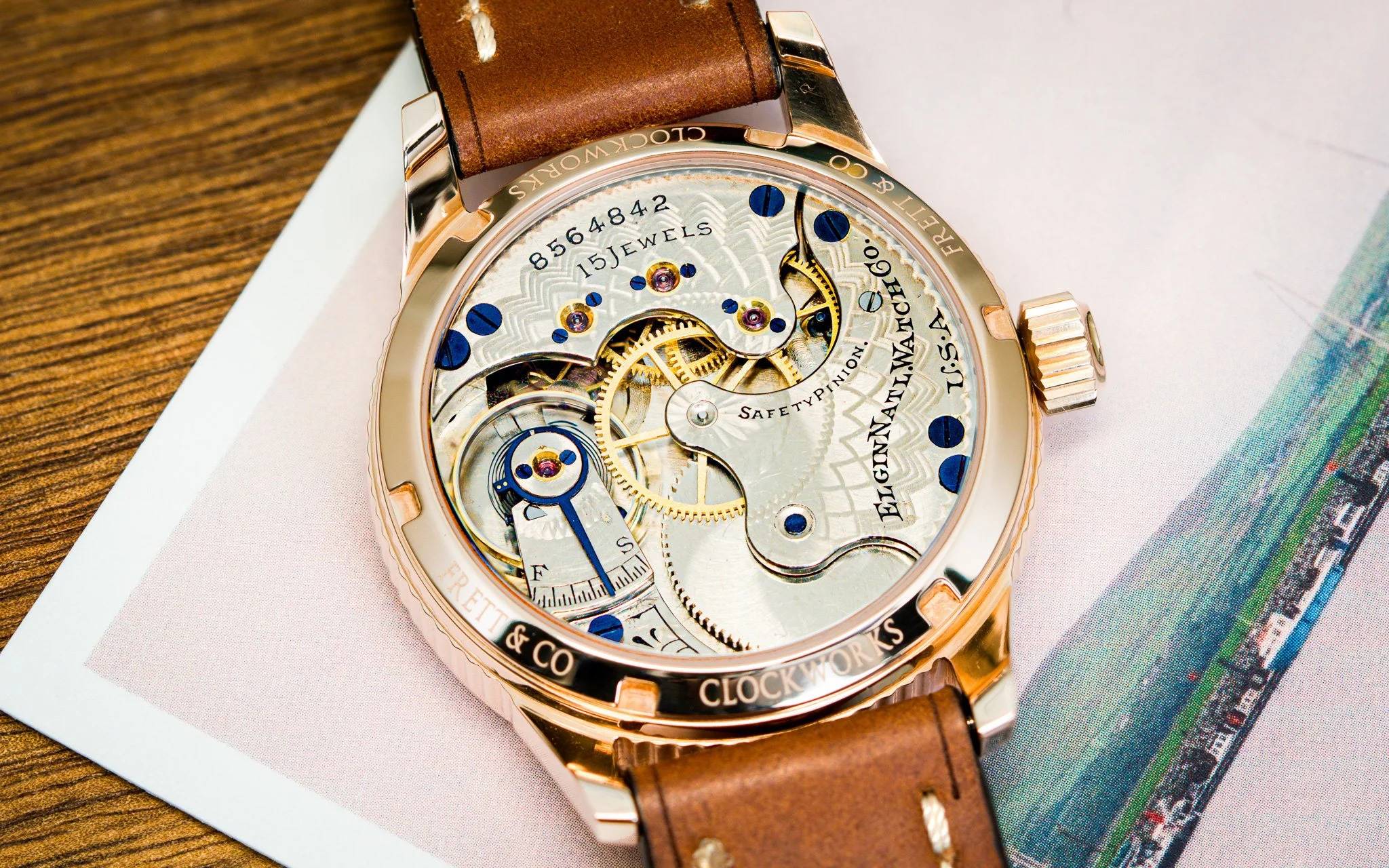
Heritage Bronze with 6 months of age (different strap)
A Case That Evolves With the Owner
The movement inside the watch preserves a moment in American watchmaking history. The bronze case surrounding it continues to evolve with the owner.
That contrast — between preserved mechanics and changing exterior surfaces — is what makes bronze uniquely compelling for a conversion watch.
The watch changes because you wear it.
And over time, it becomes entirely your own.